


As we step into the height of summer, July nature offers so many reasons to feel hopeful.
This is the month of sundrenched afternoons, the smell of barbeques and the hum of distant lawnmowers. While the days may feel long and the nights sometimes a little too hot to sleep, they invite us to slow down and notice the natural world at its peak.
From lavender fields to meteor showers, July nature brings delight at every turn. Here are eight reasons to celebrate this sunny season.
1. Lavender Fields in Bloom
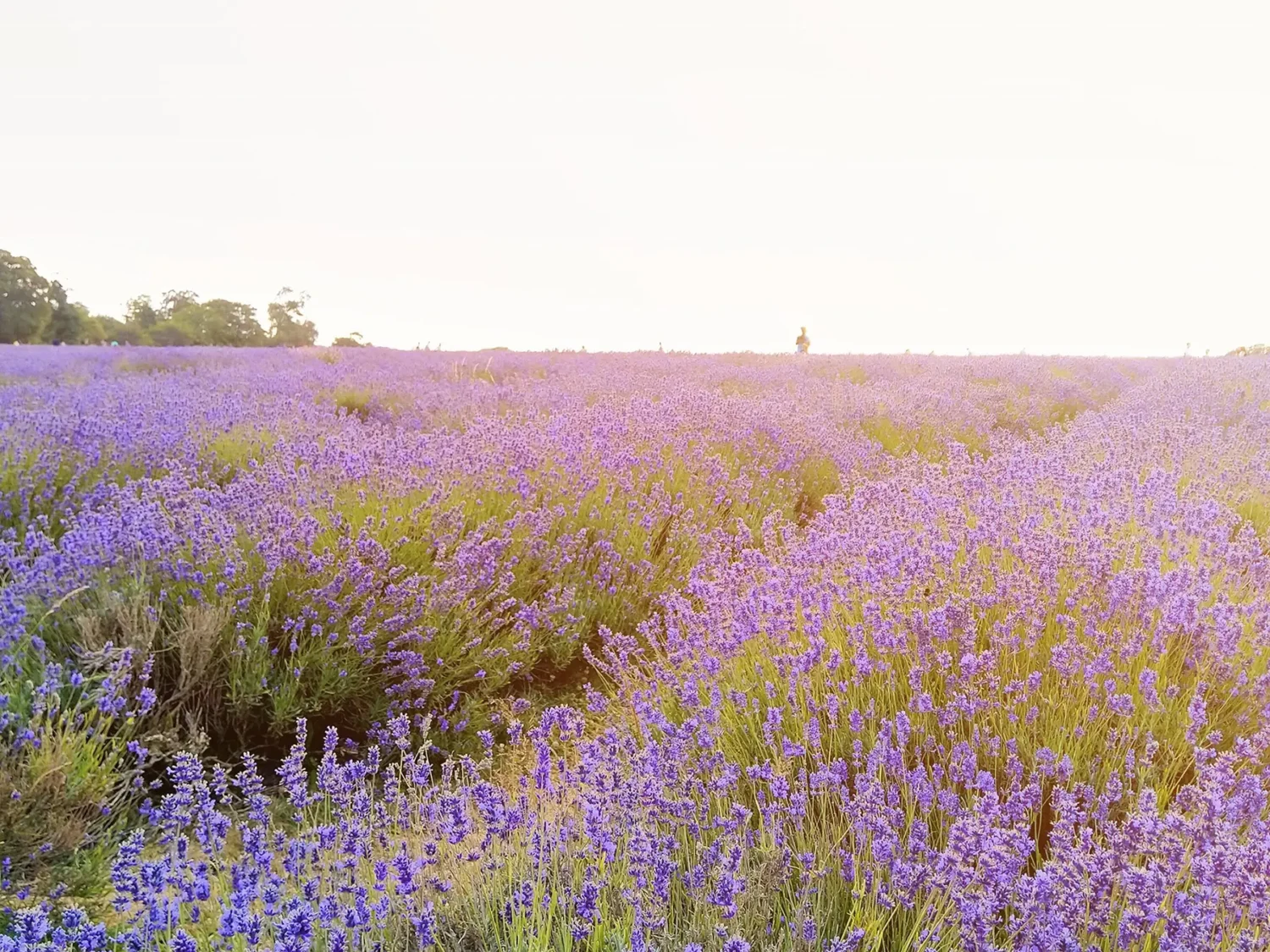
If you’ve ever walked through a lavender field in July, you’ll know the magic. Rows of purple stretch as far as the eye can see. Bees hum gently around the fragrant blooms. The scent lingers on your clothes long even after you’ve left.
Many farms across the UK open their gates for visitors at this time. Mayfield Lavender in Surrey transforms into a purple paradise, while Cotswold Lavender in Worcestershire offers endless photo opportunities against rolling hills.
When to Visit: Most lavender farms are at their peak from mid-July through early August. Early morning visits (around 9-10am) offer the best light for photography and fewer crowds. The essential oils are strongest before the heat of the day too.
What to Bring: A camera, comfortable walking shoes and a small pair of scissors if you plan to buy fresh stems. Many farms offer u-pick options where you can harvest your own bouquet.
It’s one of those simple pleasures that feel timeless. Bring a book or picnic and spend a few quiet hours among the flowers. Lavender’s calming scent is proven to reduce stress and lift the mood, with studies showing it can lower cortisol levels and improve sleep quality. This is July nature at its most soothing.
2. Butterflies at Their Most Abundant
July is when butterflies take centre stage. Painted ladies, red admirals and peacocks are everywhere. Gardens, hedgerows and meadows become theatres for these delicate creatures.
Best Spots for Butterfly Watching: National Trust gardens like Sissinghurst in Kent and Hidcote in Gloucestershire are butterfly havens. For wilder experiences, chalk downlands such as the South Downs offer spectacular displays. Even urban parks can surprise you – Hampstead Heath and Richmond Park both host impressive butterfly populations.
Creating a Butterfly-Friendly Space: Plant buddleia (the butterfly bush), lavender and marjoram in your garden. These nectar-rich flowers act like magnets. Even a window box with sweet alyssum or marigolds can attract these delicate visitors to a balcony.
Butterflies are more than pretty wings. They remind us of life’s small transformations and how miraculous nature really is. During a caterpillar’s metamorphosis into a butterfly, it undergoes a process where it essentially dissolves itself into a “caterpillar soup” inside the chrysalis and rebuilds itself into a butterfly. What’s even more miraculous is that after all this upheaval, studies have shown that butterflies are able to remember things from when they were caterpillars.
Spotting one settle on a flower or flutter by in the sunshine can lift the dullest day. Make space for them in your garden with nectar-rich plants. Or simply watch them drift through the wildflowers on your next walk.
3. Wildflowers Everywhere
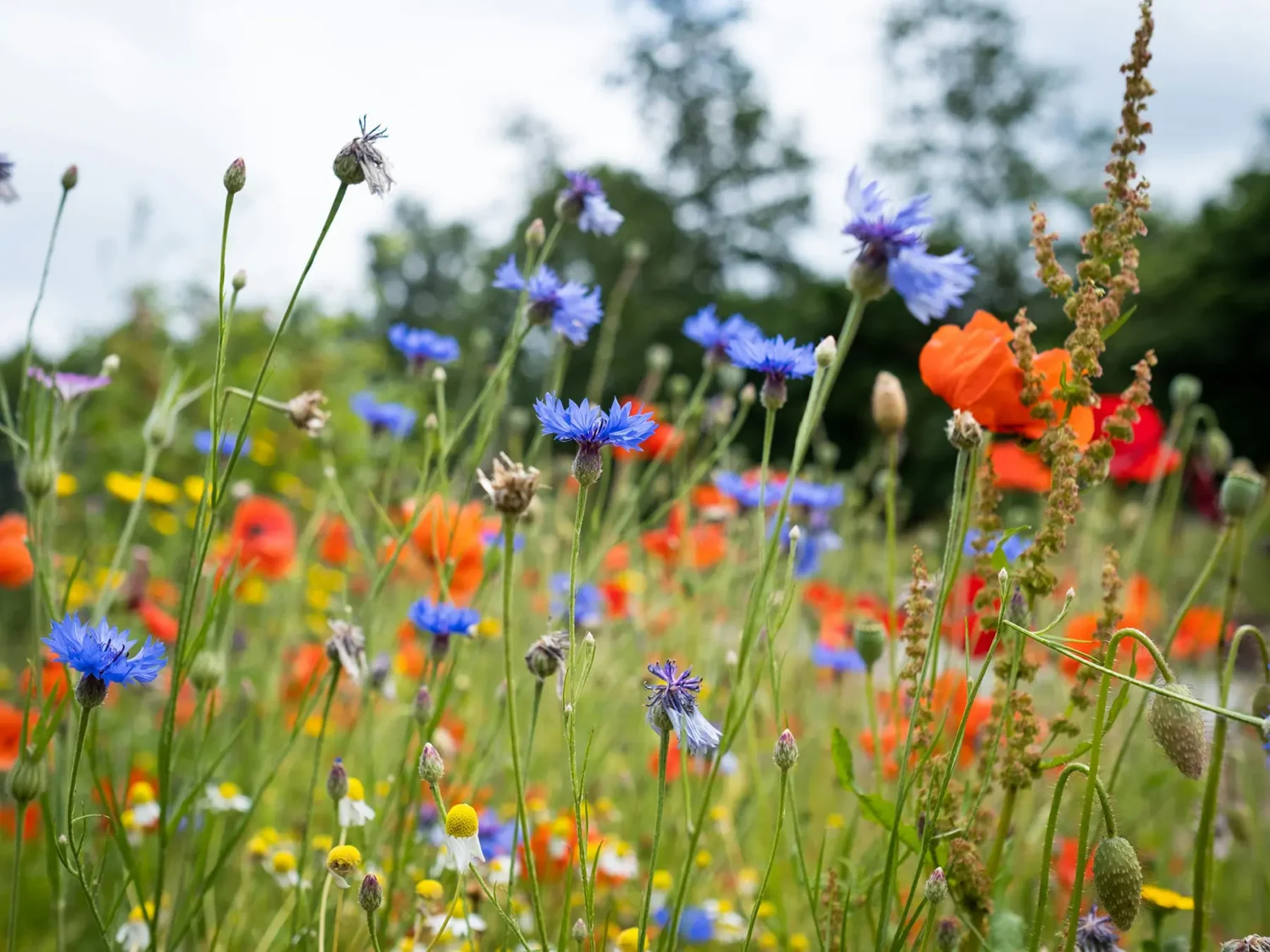
Summer meadows and roadside verges come alive with wildflowers in July. Poppies, cornflowers and daisies spread colour through the landscape.
Where to Find Wild Spectacles: The South Downs burst with scabious, while the Cotswolds showcase traditional hay meadows dotted with ox-eye daisies. Coastal areas like the Pembrokeshire Coast Path offer cliff-top displays of sea pinks and yellow gorse.
The Science Behind the Beauty: A single wildflower meadow can support over 150 different insect species. Native wildflowers have co-evolved with British wildlife over thousands of years, making them far more valuable to ecosystems than non-native garden plants.
It’s a reminder that beauty often grows best when left a little wild. Take a detour through a local nature reserve or find a patch of untamed land. Let your eyes wander across the colours and shapes. Wildflowers feed our pollinators too, so they’re not just lovely to look at – they’re vital to bees and butterflies.
4. School Holidays: Nostalgia in Full Bloom
For many, July signals the start of the school holidays. Even if you no longer sit in a classroom, the memory for many of us remains. Long afternoons with nothing to do but be outside. The feeling that summer could stretch on forever.
Recapturing Childhood Wonder: There’s something profound about rediscovering activities we loved as children. Building dens in woods, collecting pebbles on beaches or simply lying on grass watching clouds drift by. These aren’t just childish pursuits – they’re acts of mindfulness that ground us in the present moment.
The Psychology of Summer Freedom: Research shows that unstructured outdoor time reduces stress hormones and boosts creativity. The Japanese practice of “forest bathing” (shinrin-yoku) has been scientifically proven to lower blood pressure and improve immune function.
Why not channel a little of that spirit? Take your lunch outdoors. Walk barefoot on the grass. Take a bike ride. Let yourself rest in the warmth without worrying what comes next. July nature invites you to remember that sometimes, doing nothing at all is enough.
5. Spotting Dolphins and Seals
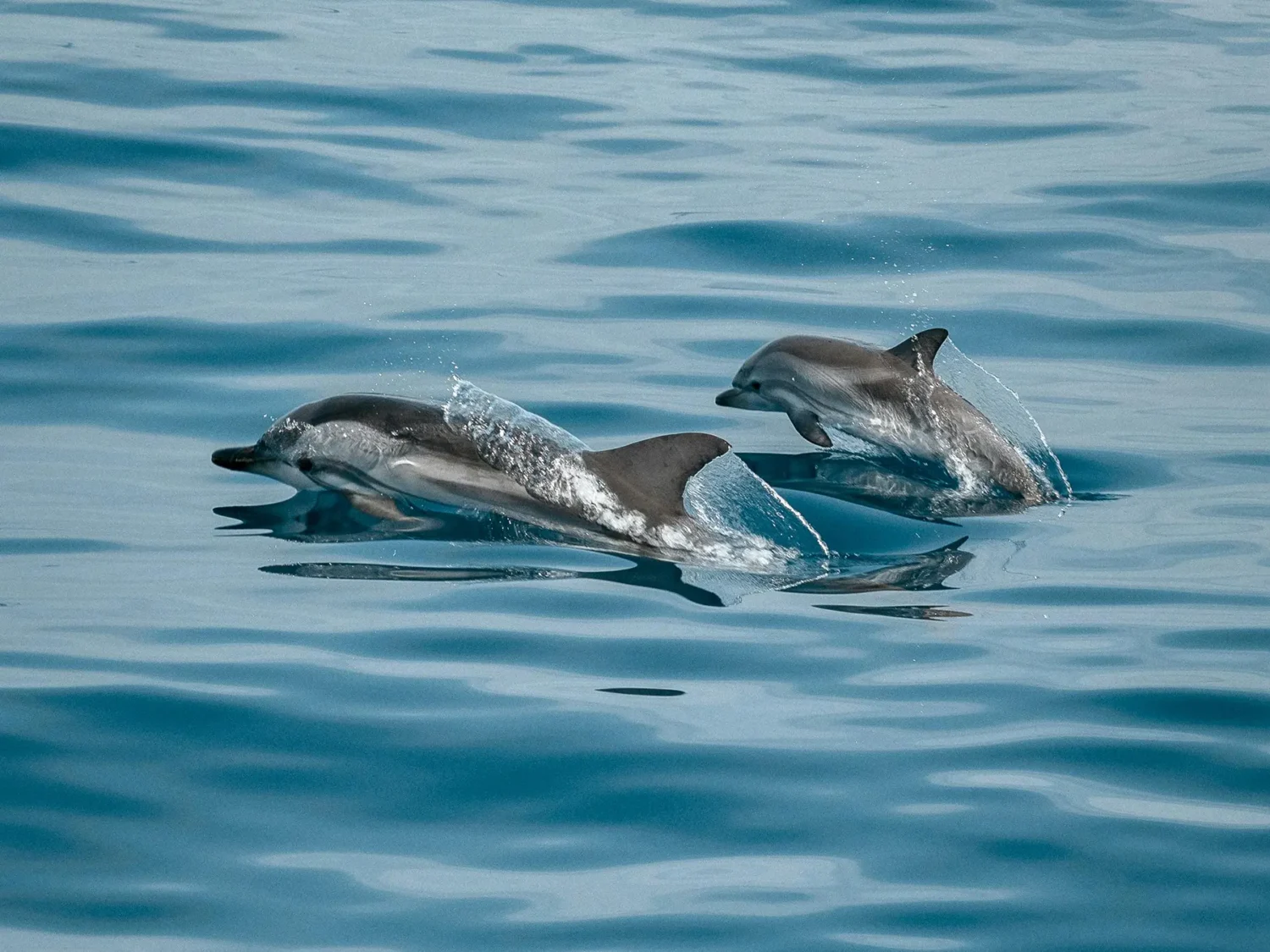
Britain’s coastline comes alive in July. Seals bask on quiet beaches and dolphins play in the shallows. Head to places like Cornwall, Cardigan Bay or the Moray Firth for a chance to spot these wild swimmers.
Prime Viewing Locations: Blakeney Point in Norfolk offers guaranteed seal sightings, especially during pupping season. The Isles of Scilly provide opportunities to see both grey and common seals. For dolphins, the Moray Firth near Inverness is home to the UK’s largest pod of bottlenose dolphins.
Best Viewing Times: Early morning (6-8am) and late afternoon (4-6pm) offer the best chances. Seals are more active during incoming tides, while dolphins often feed when the tide turns.
What to Look For: A seal’s head popping up like a curious dog, or the distinctive curved fin of a dolphin breaking the surface. Bring binoculars if you have them but often patience is more valuable than equipment.
You don’t need a boat trip. Sometimes a patient gaze from a coastal path is all it takes. Seeing a seal’s head bob in the waves or a dolphin breach the water is one of those few moments in everyday life that still makes you feel a sense of wonder and that we’re connected to something bigger.
6. Wild Berries Begin to Ripen
Look closely at hedgerows this month. You’ll spot the first wild berries turning red and purple under the sun. Blackberries, raspberries and wild strawberries all begin to appear.
Foraging Safely and Sustainably: Always follow the “rule of thirds”. Take only one-third of what you see, leaving the rest for wildlife and plant regeneration. Avoid roadside pickings due to pollution and never eat anything you can’t identify with 100% certainty.
Where to Find Wild Treats: Ancient woodlands often hide wild strawberry patches, tiny but intensely flavoured. Bramble patches along footpaths offer the first early blackberries, though they are often quite sharp in flavour in July. Public footpaths through farmland often have the richest pickings.
The Taste of Wild: Wild berries taste different from their cultivated cousins – more intense, often more tart, with complex flavours that speak of rain and sunshine. They connect us to our ancestors who relied on seasonal foraging for survival.
Picking berries is an age-old summer ritual. It’s a reminder that July nature feeds us as well as delights us. Bring a small basket on your next walk and taste the sweetness of fruit still warm from the sun. Just remember to leave plenty for the birds though!
7. Dragonflies Take to the Air
Dragonflies emerge from ponds and rivers in July, transforming from water-bound nymphs to shimmering aerial dancers. Watching one hover, dart and glide above a lake feels almost otherworldly.
Where to Spot These Aerial Acrobats: Still or slow-moving water is key. Village ponds, canal towpaths and nature reserve lakes all offer excellent viewing. The Norfolk Broads and New Forest ponds are particularly rich in species.
Fascinating Facts: Dragonflies are master hunters with a 95% success rate when catching prey – higher than sharks or lions. Their compound eyes contain up to 30,000 individual lenses, giving them nearly 360-degree vision.
They are ancient symbols of change and adaptability, with fossils dating back over 300 million years. A single dragonfly can eat hundreds of mosquitoes a day, making them helpful guardians of our summer evenings.
Spend a quiet hour by a pond or slow-moving river and you’ll likely see these tiny acrobats skimming across the surface, their wings catching the sunlight like glass. One more joy in the tapestry of July nature.
8. The Delta Aquariids Meteor Shower
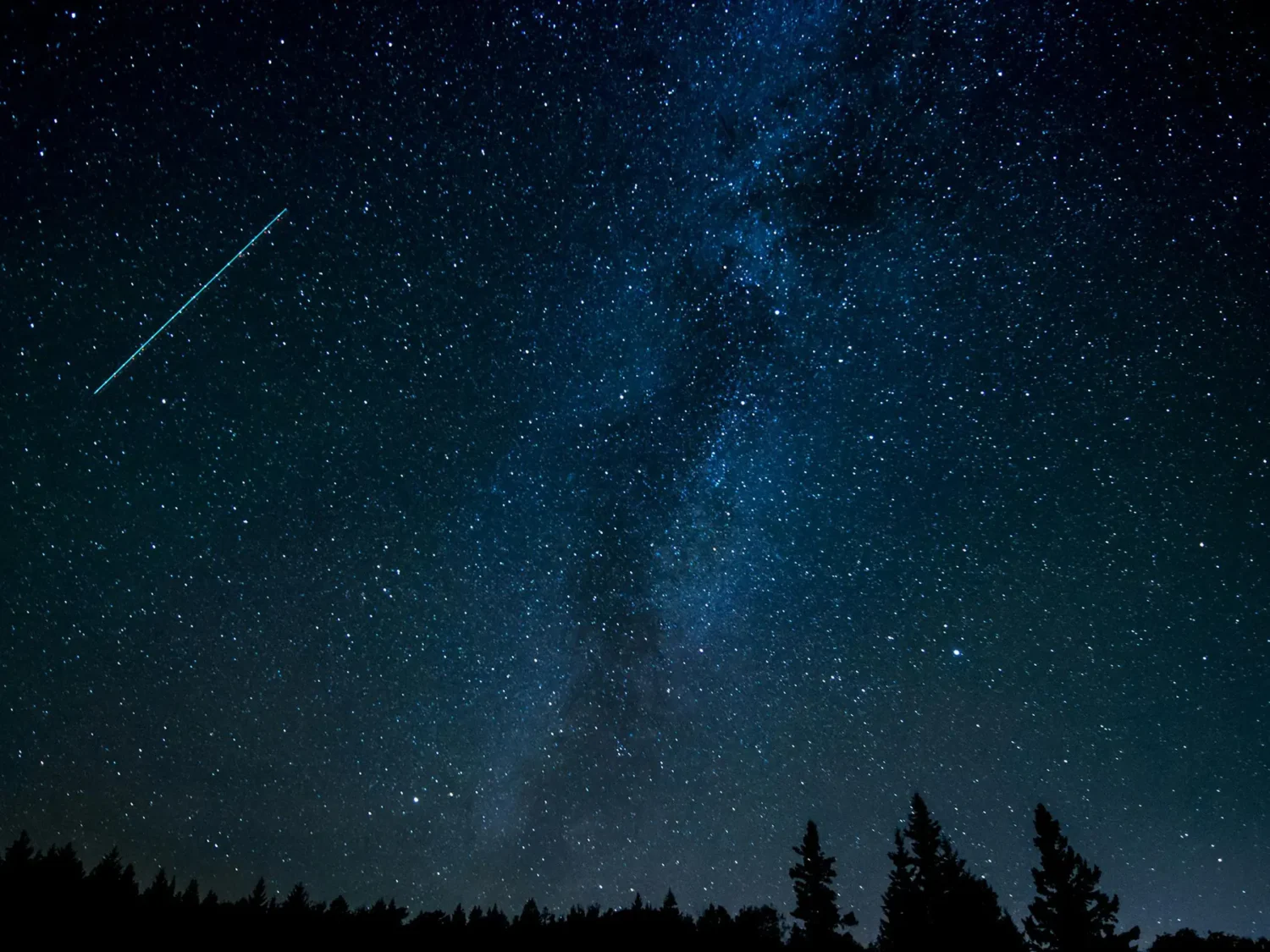
For night sky lovers (or perhaps those who can’t sleep due to the heat), July has one final gift. The Delta Aquariids meteor shower peaks around 30th July. Step outside after midnight on a clear night and look up. With a little patience, you’ll see shooting stars streaking through the darkness.
Optimal Viewing Conditions: Find the darkest spot you can – away from street lights and cities. The moon should be relatively dim during peak viewing. Look south and slightly east, though meteors can appear anywhere in the sky.
What You’ll See: Expect 15-20 meteors per hour at peak, appearing as fast-moving streaks of light. They’re actually tiny particles burning up in Earth’s atmosphere at speeds of up to 41 kilometres per second.
Make it Memorable: Bring a blanket, lie back and let your eyes adjust to the darkness for 15-20 minutes. The meteors often come in clusters, so patience is rewarded.
It’s a humbling reminder that July nature is not just about flowers and sunshine. It stretches far above us too. Something magical happens when you stand in a garden or lie on a blanket and watch the sky put on its quiet show. It brings perspective and a sense of wonder that lingers long after the stars have faded.
Conclusion: July Nature and Its Quiet Gifts
July is the month that reminds us that wonder isn’t something we need to chase or schedule into our calendars. It’s waiting in the meadow down the road or in the evening sky above our heads.
Perhaps that’s what makes this season so precious. In a world that often feels hurried and complicated, July offers something beautifully uncomplicated. A field of poppies doesn’t worry about tomorrow. A seal basking on warm rocks isn’t thinking about next week’s to-do list. They exist fully in the present moment and they invite us to do the same.
Let your phone battery run low and let the dishes wait. Feel the warm breeze on your skin and let yourself remember that sometimes the most important thing you can do is simply be present for the quiet miracles happening all around you.
Want to bring the beauty of summer indoors? Explore our nature-inspired homeware and stationery at Quinn the Fox, designed to help you notice, linger and reconnect with what matters.