
Small brands are quietly disappearing. Here’s how you can support them before it’s too late.
For years, Jumbo sat quietly in Hong Kong’s Aberdeen Harbour like a grand dowager no longer invited to the party. Glamorous, a little gaudy and beloved by tourists and locals alike, it had been for many years the jewel of Hong Kong’s dining scene. As tastes changed and the pandemic hit, it became something people spoke of fondly but didn’t actually visit anymore.
When it finally closed in 2020, there was a wave of public grief. News articles called it a cultural loss. Commenters posted old family photos taken on its red-carpeted stairs. People mourned it as if it had been taken from them unfairly. But when interviewed, many admitted, somewhat sheepishly, that they hadn’t been in years. “We always meant to go,” they said. “It was part of our heritage.” Just not one they actively supported.
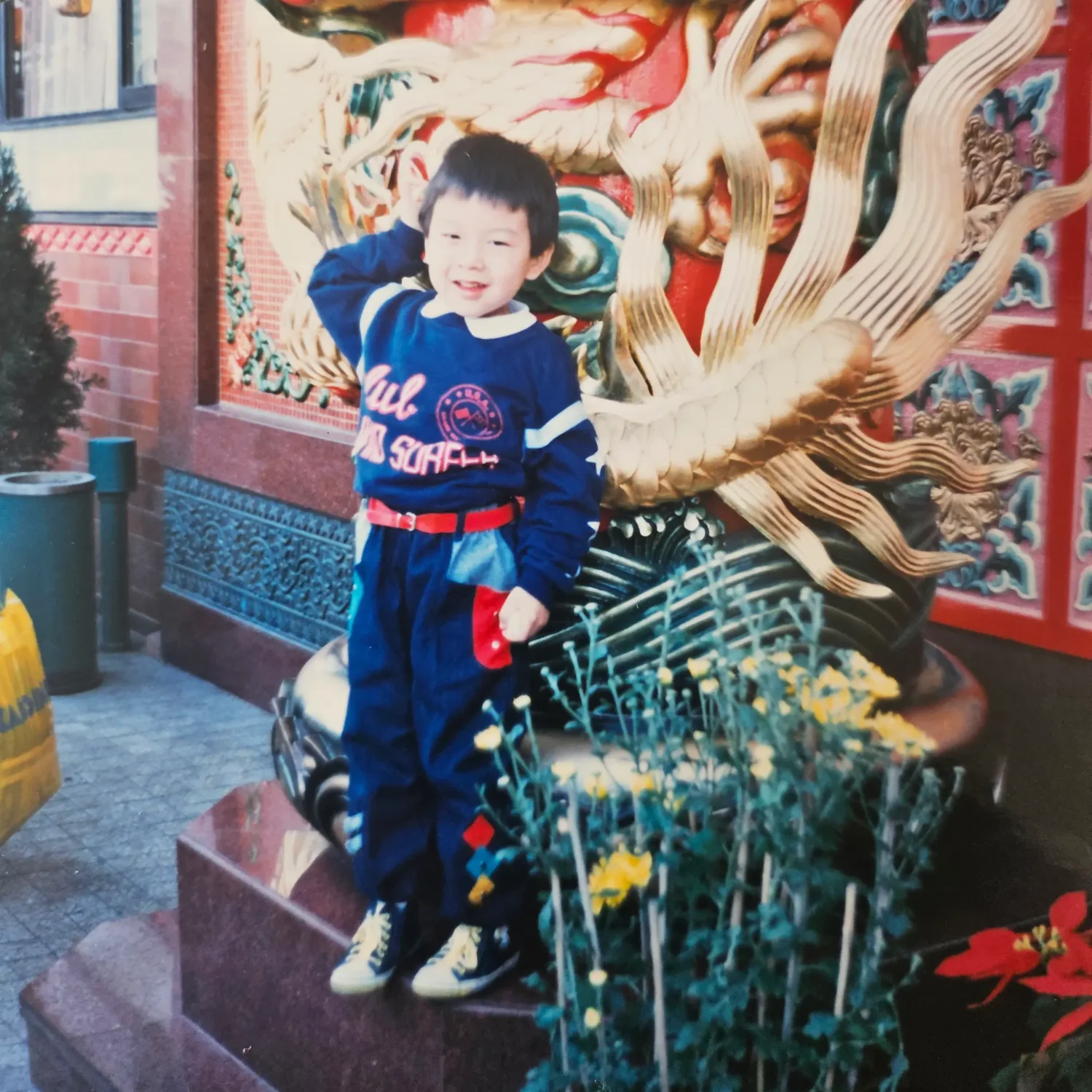
In 2022, the floating palace was towed away to Cambodia when it unexpectedly sank into the South China Sea. Gone, quite literally, without a trace. And in a way, it felt appropriate. What else could you do with something so loved in theory, yet abandoned in practice?
Jumbo wasn’t exactly a small brand but the same story plays out again and again across brands of all sizes: people only seem to miss the light after they let it fade.
Artists and small brands close their doors and suddenly, everyone remembers how much they “loved that shop.” The obligatory goodbye post on Instagram gets hundreds of likes – far more than it ever did when they were still trading. Friends forward the news like an obituary. “Oh no, not them,” they say. “I always meant to buy something.” But intentions, however lovely, don’t keep the wolf away from the door.
The Silent Disappearance of Small Brands
This isn’t a niche worry. Since the pandemic, the UK has lost more than half a million small businesses. That’s not a typo. Half a million shops, studios, side-hustles, bakeries, gift shops, stationery shops – each one started by real people with real hopes and dreams.
It’s true, economic conditions have been difficult. But many of these businesses didn’t close because people stopped loving them. They closed because people stopped showing it.
Social media has shifted. Rather than seeing what your friends and favourite makers were doing in real time, algorithms began rewarding spectacle over substance and convenience over care. Quiet, thoughtful brands, the kind people claim to miss, are vanishing like mist.
It’s almost like a digital self-fulfilling prophecy, isn’t it? You post something onto social media that gets shown to almost no one and so you stop posting. Why even bother? In time, the apathy makes you stop interacting with other people’s posts too. Before long, we become passive consumers that are only moved to action if the dopamine surge from a post is strong enough to pierce through our digital indifference.
The Rise of the Fake Founder
As if that weren’t dispiriting enough, there’s now a growing trend of the “small business aesthetic”. That is, adopting the small business appeal without being a small business. AI-generated “brands” are popping up like weeds, selling drop-shipped, mass-produced items under the guise of being a “small business”. Fake founders with fake lives, curated by algorithms to mimic authenticity. Instagram feeds filled with moody ceramics and tear-jerking origin stories that were never lived.
And people eat it up. Why wouldn’t they? It’s the same appeal, just frictionless. No messy reality, no imperfect handwriting and no risk of a real human asking you to show up.
Meanwhile, real makers are left fighting uphill, trying to prove they exist in a space where fakery is more digestible than the real thing.
It’s not just disheartening. It’s dangerous.
The Lurker Problem
There’s a strange kind of follower. They love you in theory but almost never show it.
They admire what you do and might even feel emotionally invested. When you post a story, they’re right there, within minutes, at the top of the “Viewers” list. But they don’t comment. They don’t like. They don’t share or engage. In essence, it’s the digital equivalent of loving someone without ever returning their calls. (That reminds us, we should probably call our Mums).
To be clear, there’s nothing intrinsically wrong with admiring things in silence. We all do it. Sometimes we’re tired or overwhelmed. Sometimes we just don’t know what to say.
But when people become quiet under an algorithmic tyranny, the silence becomes structural and visibility drops. Posts stop being shown and your favourite creators disappear from feeds. They haven’t stopped posting. We just stopped interacting.
There’s even a name for this: the bystander effect. This is when we assume, “oh they’ll be fine”. Surely someone else will comment. I’m sure someone else will support. Someone else will help keep the lights on. But on social media, that “someone else” is often thinking the same thing. And so, nothing happens.
But when you think about it, it’s not really your fault. Think of all the emotional spam we wade through daily. We’re inundated with reels and posts and newsletters, all clamouring for our attention. It’s no wonder we’ve started to disengage. We’re all suffering a sort of collective digital malaise. We have become passive consumers in a system that once asked us to be participants.
And while it might not be your fault, sadly, if we don’t actively try to shift the way we interact with our favourite small brands, it becomes a problem on a wider scale. Small brands don’t just rely on sales. They rely on signals. Likes, shares and comments all tell the algorithm this is worth showing to others.
When those signals vanish, so do we.
So…Is This Goodbye?
“But surely, that could never happen to Quinn the Fox?” Not the brand with a cult following so loyal that even large governmental departments were once (allegedly) bullied into submission on social media for (again, allegedly) “being inspired” by our work?
Well, we’re not planning to go anywhere just yet but the figures don’t lie and they don’t make for pretty reading.
According to data, our engagement (that is, likes, comments and shares) on Instagram is 1.41% engagement.
To put that in context, that’s about 36 people out of 2600 who consistently show up for us.
10 Easy Ways To Support Artists and Small Brands You Follow
So what can we do? How can we support a small brand and what does that actually look like?
1. Unfollow Them
Wait, what?
Yes, you read that correctly. If you are no longer interested in a small brand’s work, the kindest final act you can do for them is to unfollow them. This helps their content reach the people who are genuinely interested, which then tells the algorithm to show it to more people. It’s like stepping out of the way in a crowd so someone else can see the stage.
2. Like Their Posts and Stories
A like takes about one second – less actually, if your thumb’s already hovering. It might not carry the weight it once did in the algorithm but it still matters. It says, “I see you.”
And for the artist behind the account, that could mean everything.
3. Spend More Time on Their Content
A quick like and scroll may feel supportive, especially if you’re in a rush. But in algorithmic terms, it’s more of a shrug than a cheer.
Platforms and algorithms value watch time. The longer you engage, the more the algorithm believes it’s content worth sharing. That means:
- Reading the caption.
- Watching their Reel to the end.
- Swiping through the full carousel.
- Skimming through the comments section.
Each second you spend is a tiny act of advocacy.
4. Comment on Their Work
Never underestimate the power of a few words. Comments show that someone’s listening and cares. They signal engagement, boost visibility and remind the person behind the post that their work is actually landing.
You don’t need to be profound or funny. Try:
- Saying something encouraging – “This is lovely!”
- Asking a question – “How did you make this?”
- Starting a healthy debate – “Jam BEFORE cream”
Even leaving an emoji is better than silence.
5. Save the Post
This one’s like a secret handshake with the algorithm.
Saving a post tells the platform, “This is valuable and I want to come back to it.” It’s one of the strongest signals you can send. The best part is that the artist or small brand doesn’t even have to know you did it. (Though they’ll probably feel it in the numbers.)
Save it if you liked it. Save it if you want to buy it later. Or save it just because the Quinn looked particularly majestic that day.
6. Share It Directly With Your Friends or on Stories
This is digital gold.
Sharing a post directly to your friends or on Stories introduces it to your circle and in a world of shifting algorithms, it’s one of the few ways small brands still get discovered.
It takes two taps. But it could change everything.
7. Tag a Friend
Think of someone who’d love the brand? Then tell them!
Tagging a friend in a post or comment is a small gesture that makes a big difference. It creates conversation, brings new eyes to the brand and makes the digital world feel just a little more human again.
8. Sign Up to Their Newsletter
Not everything needs to happen on social media.
A newsletter is where small brands can speak directly to you without any algorithmic interference. No filters or shadowbans. Just updates, thoughts and sometimes…lovely surprises.
(Join Quinn’s Story Circle. We email only when we have something genuinely worth sharing: new collection previews, behind-the-scenes stories and the occasional subscriber-only surprise.)
9. Talk About Them in Real Life
Algorithms might run the internet but word of mouth still runs the world. At least, for now.
If someone’s looking for a gift, tell them about that brilliant artist you follow. Recommend a maker whose work you love. Mention the small brand whose stories make you smile.
People are increasingly craving authentic recommendations. The kind that doesn’t come with affiliate links or brand deals. Your quiet suggestion might mean more than a thousand influencer posts.
And besides, you’ll sound charmingly discerning and ahead of the curve.
10. Buy Something (If You Can)
We saved this one for last on purpose.
Yes, buying from a small brand makes the most direct impact. But we also know it’s not always possible. That’s why everything above matters too.
But if you’re in a position to buy, even something small, it sends a message louder than any like or comment: “I believe in what you’re doing and I want it in my life.”
If you’ve ever said, “I’ve been meaning to buy something,” now is a good time. That kind of support doesn’t just keep a business afloat. It keeps it alive.
Conclusion: It’s Not Too Late
People love the idea of backing small brands. It feels good to say you “shop small” or “support local.” It aligns with how we want to see ourselves: thoughtful, ethical and discerning.
But when support stays in the realm of intention or identity, it doesn’t do much. Liking the idea of something isn’t the same as showing up for it.
If you love a small brand, now’s the time to prove it. Not when they’re closing down or when it’s too late. Even a single like, comment or kind word can echo louder than you think.
Because ultimately, showing up for a small brand before the goodbye post is far more meaningful than mourning it after.
Still Here? So Are We. If you believe in small brands, show it while they’re still around. Explore our storytelling-inspired homeware and stationery thoughtfully made to help you celebrate the present, not just mourn the past.